Dealing with Oral Cysts: When to See a Dentist
Oral Cysts
Contents
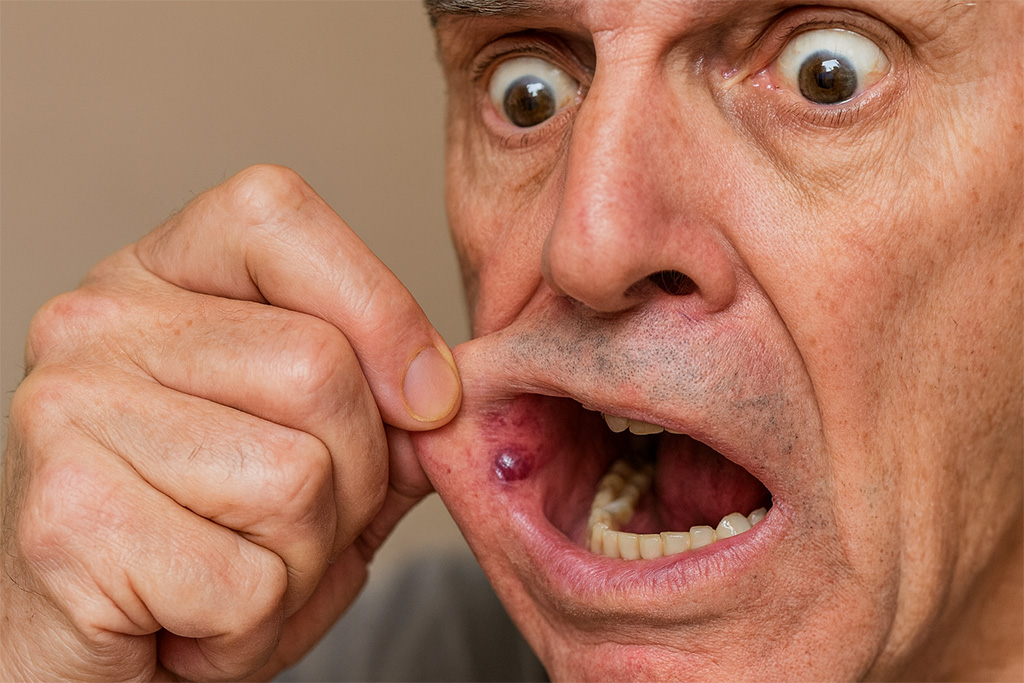
A strange bump in your mouth might seem harmless at first – until it starts to swell, ache, or get in the way of eating and speaking. Oral cysts are surprisingly common, yet they often fly under the radar. These fluid-filled sacs can develop anywhere in the mouth or jaw, and while many are benign, ignoring them can lead to bigger problems. Whether you’re dealing with recurring swelling or a lump that won’t go away, knowing when to seek dental care can save you discomfort – and possibly more serious treatment down the line.
What Are Oral Cysts?
Oral cysts are closed sacs filled with fluid, air, or soft material that form in the tissues of the mouth or jaw. Though often harmless, they can vary in size and cause different symptoms depending on their location. Some remain small and painless, while others may enlarge, become infected, or affect nearby teeth and structures.
These cysts can appear in a variety of areas, including:
- Inside the lips
- Beneath the tongue
- On the floor of the mouth
- Along the gum line
- Within the jawbone
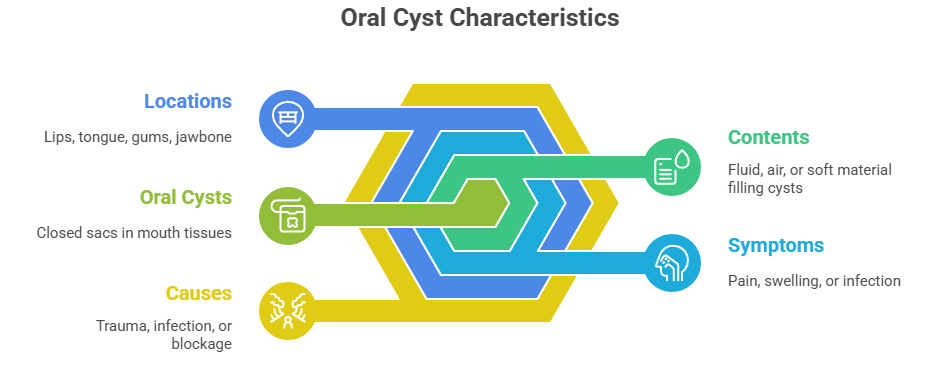
Most oral cysts develop due to trauma, infection, or blockage of salivary glands. While they aren’t typically dangerous, identifying them early can prevent discomfort and complications. Some types are more common in children and teens, while others tend to show up in adults following dental issues or surgeries.
Common Types of Oral Cysts
Not all oral cysts are the same – some form in the soft tissues, others in the jawbone, and each type has different causes and implications. Understanding the differences can help you recognize what you’re dealing with and why a professional diagnosis is important.
Here’s a closer look at the most common types:
| Cyst Type | Cause | Location | Typical Features |
|---|---|---|---|
| Mucocele | Blocked or ruptured salivary gland | Inner lip, mouth floor | Soft, painless bump; often translucent |
| Dentigerous Cyst | Fluid buildup around an unerupted tooth | Around impacted molars | Swelling near jaw; often found on x-rays |
| Radicular Cyst | Chronic inflammation from dead tooth | Tooth root | Often painful; may cause tooth mobility |
| Eruption Cyst | Tooth pushing through gums | Gums of erupting baby/adult teeth | Bluish, dome-shaped bump |
| Nasopalatine Duct Cyst | Developmental, from leftover tissue | Behind front teeth on the palate | Pressure or drainage; can widen over time |
Some cysts, like mucoceles, may be caused by minor trauma (such as lip biting), while others, like dentigerous cysts, are often discovered during routine dental x-rays when investigating delayed tooth eruption. Radicular cysts are the most common jaw cysts and typically occur as a result of untreated dental infections.
Early identification of the cyst type helps determine whether it can be left alone or needs to be surgically removed.
Causes and Risk Factors
Oral cysts don’t appear out of nowhere – there’s usually an underlying reason, even if the symptoms take time to show. Understanding what causes these growths can help prevent them or catch them before they become a problem.
Common causes of oral cysts include:
- Dental infections: Untreated tooth decay or advanced gum disease can lead to cyst formation, especially near tooth roots.
- Oral trauma: Injuries from biting the lip, dental procedures, or orthodontic devices can damage tissue or block ducts.
- Blocked salivary glands: When saliva can’t drain properly, it pools and forms a mucous-filled sac known as a mucocele.
- Developmental issues: Some cysts form due to residual tissue left over from fetal development.
- Impacted teeth: Wisdom teeth and other unerupted teeth can trap fluid in surrounding tissue, forming dentigerous cysts.
- Poor oral hygiene: Inadequate brushing or flossing increases the risk of infections that may lead to cyst formation.
Other risk factors include habits like lip or cheek biting, smoking, and a history of frequent oral infections. Genetics may also play a role in some cases, though this is less common.
Symptoms to Watch For
Oral cysts often start small and painless, which is why they’re easy to ignore. But as they grow or become irritated, symptoms can become more noticeable – and potentially disruptive.
Here are signs that may indicate a cyst is present:
- A soft bump or lump in the mouth or under the tongue
- Swelling in the gums, lips, or jaw
- Discomfort or tenderness, especially when eating or speaking
- Fluid drainage or bleeding from a sore in the mouth
- A persistent sore that doesn’t heal
- Loosening of nearby teeth
- Difficulty opening the mouth fully or moving the tongue
- A visible bluish or translucent bubble (often seen with mucoceles or eruption cysts)
Keep in mind that many cysts remain symptom-free until they grow large or become infected. That’s why routine dental checkups are key – they can detect issues before symptoms begin.
When to See a Dentist
Some oral cysts are harmless and may resolve on their own. Others can slowly grow, press on surrounding structures, or become infected – causing more pain and complications the longer they’re ignored.
See a dentist promptly if you notice:
- A lump that persists for more than 1–2 weeks
- A cyst that increases in size
- Pain or pressure in the mouth or jaw
- Fluid drainage or signs of infection (redness, heat, swelling)
- Changes in how your teeth fit together or feel
- Difficulty chewing, swallowing, or speaking
Dentists play a key role in early detection. Here’s what typically happens during a visit:
- Visual exam: They’ll check the affected area and nearby tissues.
- Imaging: X-rays or 3D scans help determine the cyst’s size and whether it affects surrounding bone or teeth.
- Biopsy (if needed): If the cyst looks unusual or persistent, a small sample may be taken for lab analysis.
- Treatment planning: Based on the diagnosis, your dentist will recommend the next steps – which may include monitoring, drainage, or surgical removal.
Acting early helps prevent tooth damage, bone loss, or spread of infection. Even if the cyst turns out to be harmless, knowing for sure brings peace of mind.
Treatment and Outlook
Once a dentist confirms the presence of an oral cyst, the treatment plan depends on its size, type, and symptoms. Some cysts are monitored, while others need to be removed to prevent complications.
Common treatment options include:
- Observation: Small, painless cysts may be left alone and checked during regular dental visits.
- Drainage: If the cyst is infected or causing discomfort, the dentist may drain it to relieve pressure.
- Surgical removal: Cysts that grow, recur, or threaten nearby structures are typically removed under local anesthesia. Deeper or more complex cases may require referral to an oral surgeon.
- Laser treatment: For some surface-level mucoceles, lasers offer a minimally invasive option with quicker healing.
After removal, recovery usually takes one to two weeks. Mild soreness, swelling, or difficulty eating may occur for a few days. Dentists often prescribe antiseptic rinses or antibiotics to prevent infection and support healing.
The long-term outlook is excellent in most cases. Once removed, cysts rarely return – especially when the underlying cause (like an infected tooth or blocked gland) is addressed.
FAQs about Oral Cysts
Are oral cysts dangerous?
Most oral cysts are benign and not life-threatening. That said, they can grow, become infected, or damage nearby teeth and bone if ignored for too long.
Can an oral cyst go away on its own?
Some cysts, especially mucoceles, may rupture and heal without treatment. Others, like dentigerous or radicular cysts, often need professional care.
What does an oral cyst feel like?
Many cysts feel like a soft bump or swelling. They may be painless at first but can become tender or sore if they grow or get infected.
Do oral cysts always require surgery?
Not always. If the cyst is small and not causing problems, a dentist may choose to monitor it. Surgery is typically recommended for cysts that are painful, growing, or at risk of causing complications.
Is a cyst in the mouth a sign of cancer?
Most oral cysts are noncancerous. But because certain tumors can mimic cysts, dentists may perform a biopsy if there’s any doubt.
How can I prevent oral cysts?
Good oral hygiene, regular dental checkups, and avoiding habits like lip biting or chewing hard objects can reduce the risk.
Will a cyst come back after removal?
Recurrence is uncommon if the entire cyst is removed and the root cause (such as a dead tooth or blocked gland) is addressed.
When to Act on an Oral Cyst Concern
If you’ve noticed a persistent lump, swelling, or unusual sensation in your mouth, don’t wait it out. While many oral cysts are harmless, only a dental professional can confirm what’s going on and recommend the right course of action. Early care can make all the difference.
For trusted information on oral health and what to expect at the dentist, visit Best Dentist Guide – your resource for answers, guidance, and confidence in your dental care journey.